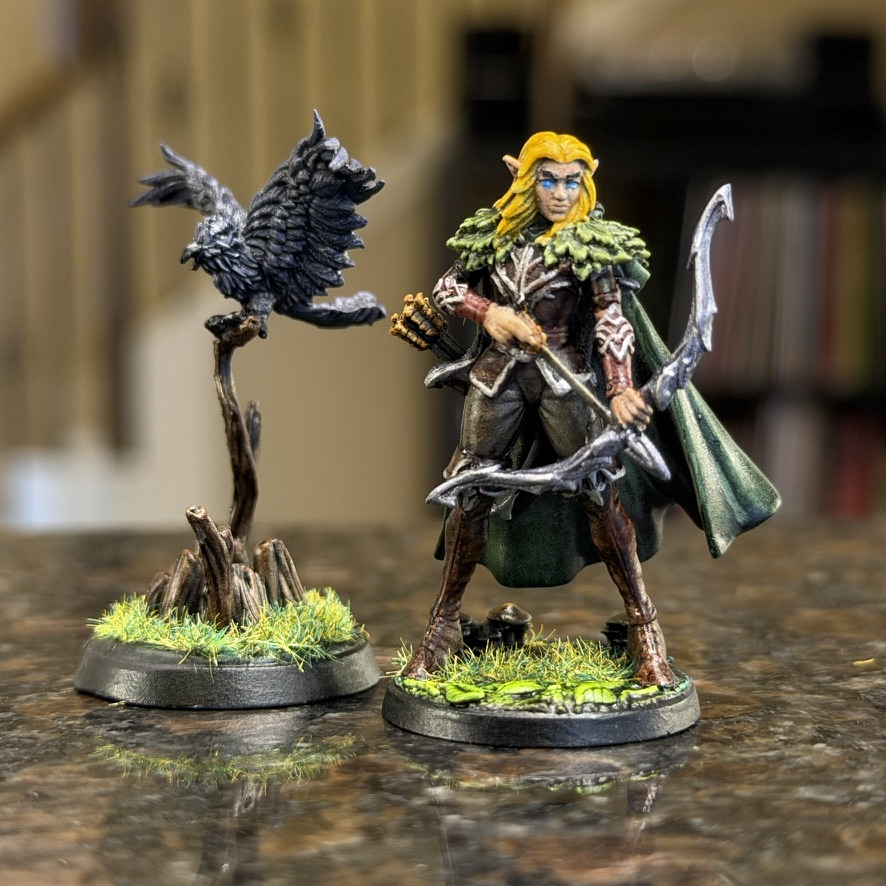
Painted for a brand-new player rolling dice for the very first time.
How this one started
I made this for Aimee B., who was briefly an instructor for us back when Angela and I owned a spin studio. But the person who really got this whole thing going was her friend Alyssa. Aimee had invited her to class, and somewhere along the way it got out that I occasionally DM for D&D. Alyssa caught me working the front desk after class with Angela and said, "Hey, I hear you DM. I've never played, but I bought the core books and I'm super interested." I said, say less.
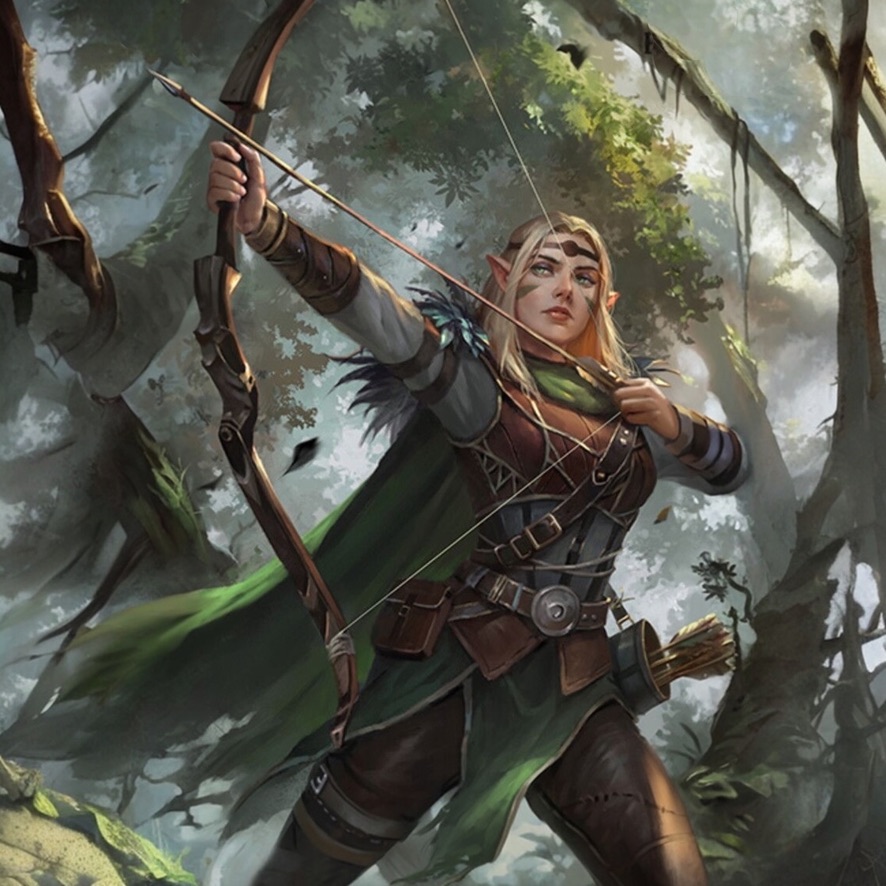
That was the spark for the whole table, and her wild magic sorcerer, Yssala Bramblewink, ended up the heart of the party. We met up at Vigilant Bar in Austin for a session zero, and that's where the group settled on what they wanted to play. Aimee landed on this character concept, and I was thrilled to find that Labyrinth Models had a Forest Elf Ranger that looked strikingly close to it. I picked it up in a heartbeat.
Painting Maena and Corvid
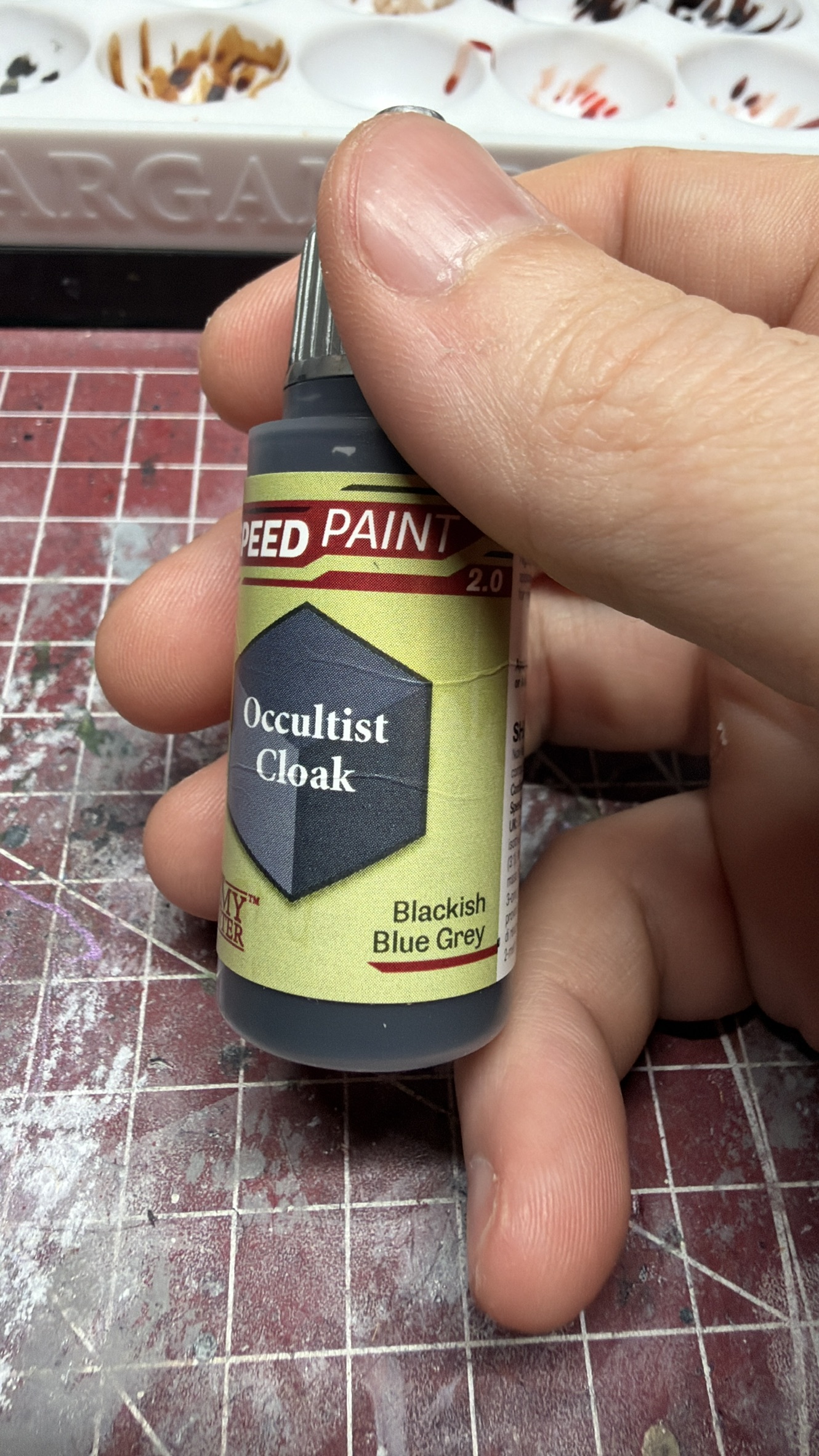
This model was a joy to paint. The classic browns, silvers, and olive or forest greens are always easy to get right. For Corvid I used Occultist Cloak to hit the dark blueish color Aimee had asked for. I already had a raven in my library from The Printing Goes Ever On, and it paired really well with Aimee's design notes.
The trouble with forest green
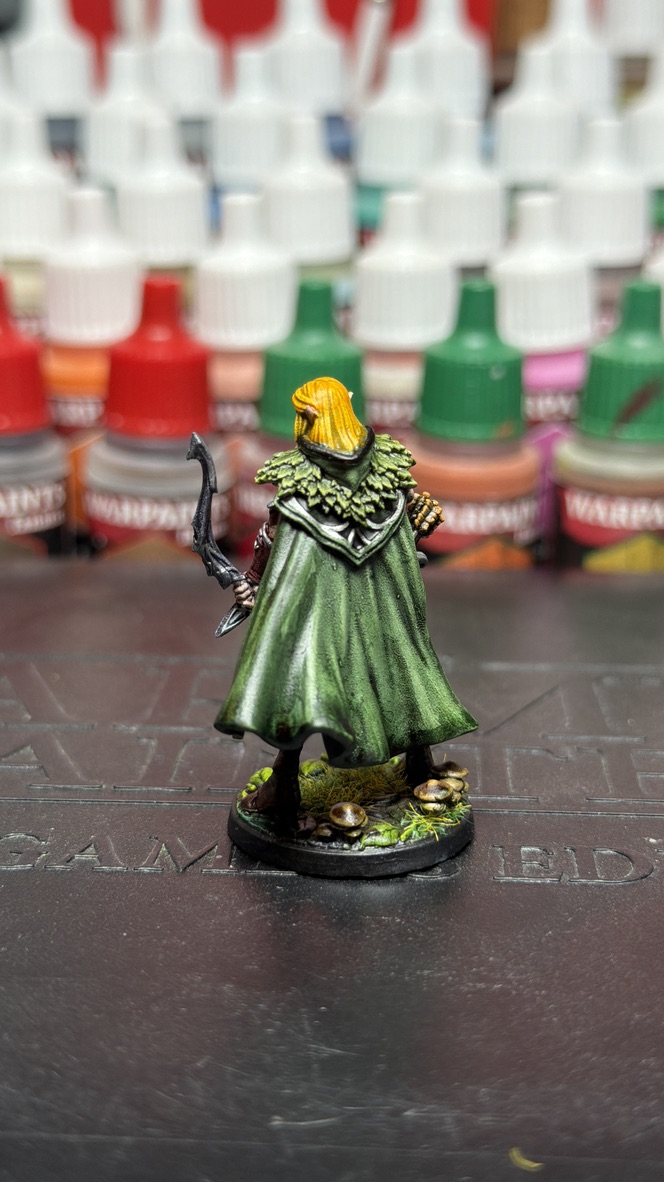
The thing I love about this particular green is the same thing that makes it a pain to work with. Most of the Army Painter speedpaint colors darken significantly over multiple coats, and that's especially true for the Camo Cloak color I used on the cape. It runs quickly and then pools very darkly, but if you're careful, that tendency actually makes a great effect: a wet-looking end to the cape. It's exactly what you'd expect from a cape worn out in the forest, muddy and weathered toward the bottom.
A metal bow for a bit of pop
I went all metal, all silver on the bow instead of a dark wood, because I felt it gave the model some pop. I know a more talented artist would use a non-metallic metal style for something like this, but I've found that most of the people I'm painting a model for are impressed by the shine of true metallics. With this being an elf, there's enough mystique that a shining bow just works.
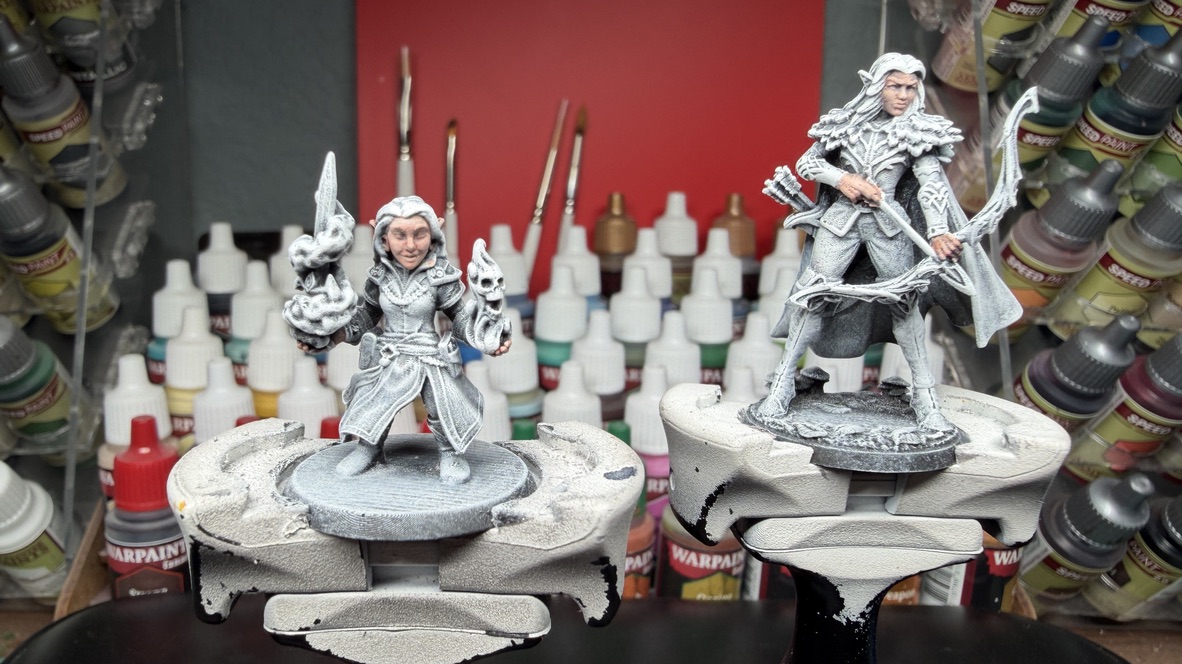
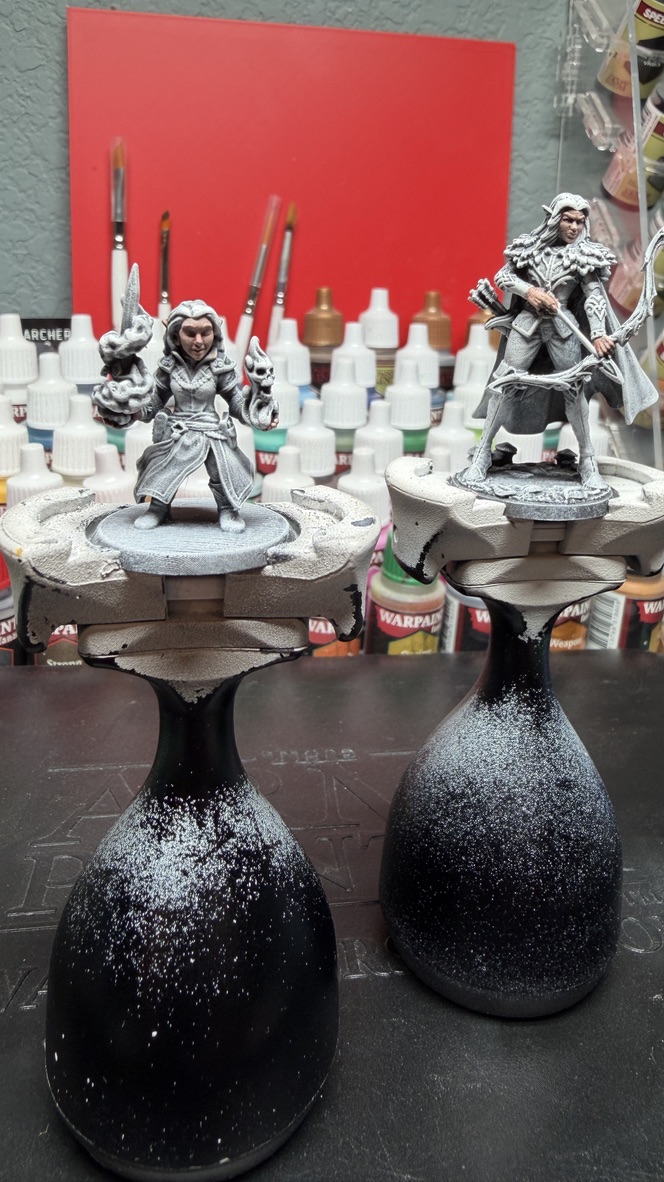
Faces first
Last note: I like painting faces first. That's something I learned the hard way. When I started out I would save the face for last, basically saving the part I dreaded most. But as the wisdom usually goes, you want to tackle that stuff up front. If I'm going to make a mistake that bothers me, it is going to be on the face. People notice faces, we are all wired that way, so I would rather catch a problem early than sit on an almost-finished model with a face I'm not happy with.